×
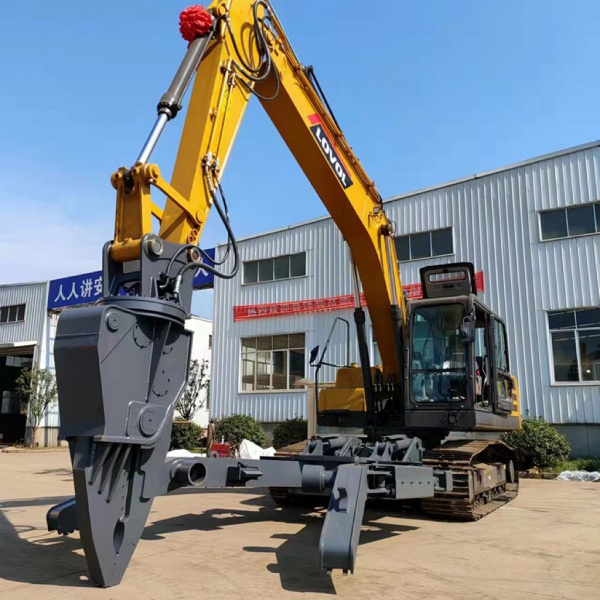
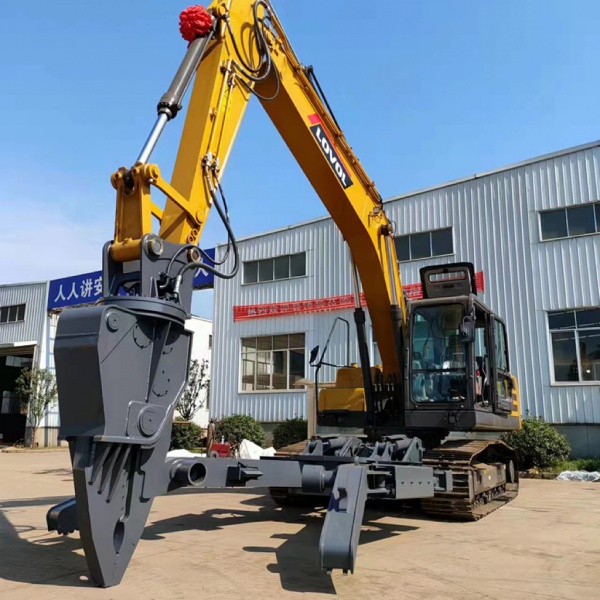
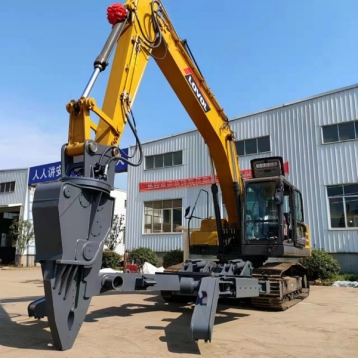
Excavator Hydraulic Car Dismantling Equipment is a specialized tool that transforms an ordinary excavator into a powerful vehicle dismantling machine. This equipment is designed to meet the growing needs of the automotive recycling industry, efficiently and safely taking apart end - of - life vehicles. By attaching this hydraulic - powered equipment to an excavator, operators can perform a variety of dismantling tasks with greater precision and force than traditional manual methods.
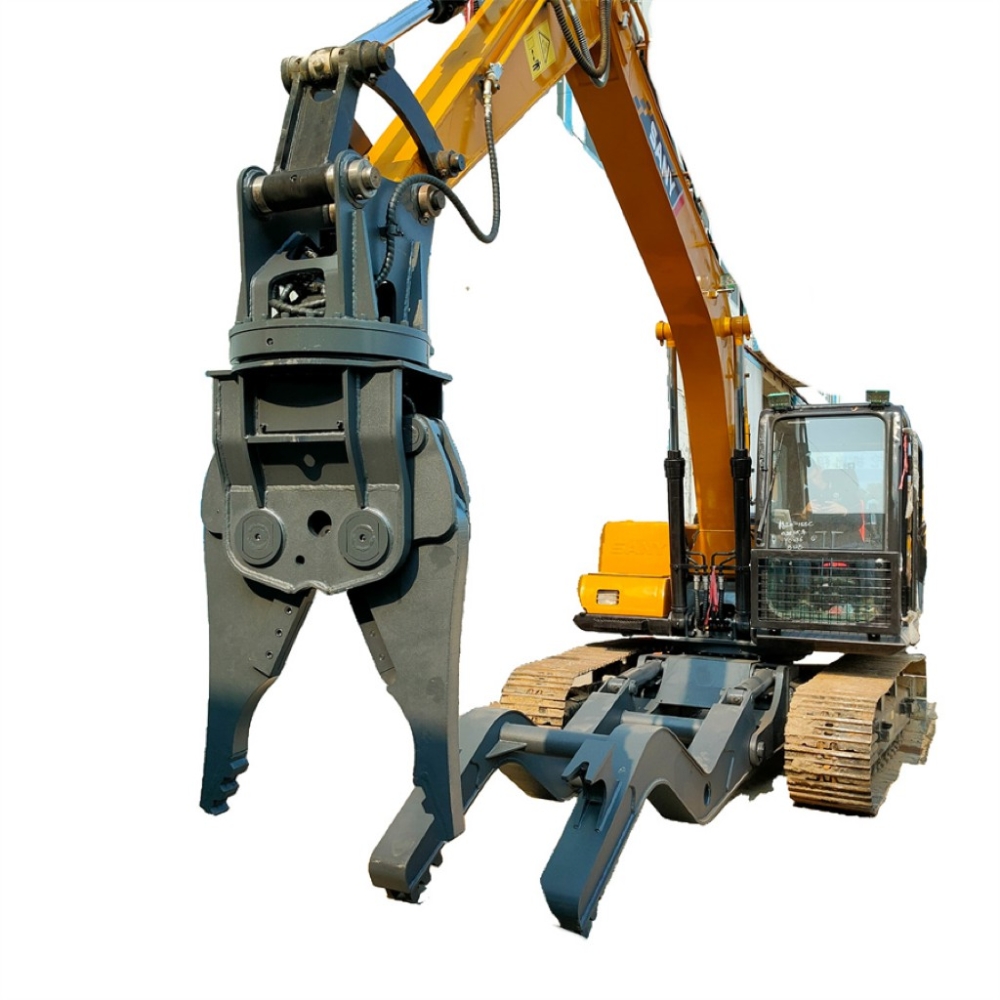
Blades: The shear unit is equipped with high - strength, sharp blades made from special alloy steels. These blades are designed to withstand high stress during the cutting process and can easily slice through the metal components of a car, such as the body frame, chassis, and engine mounts. For example, in a standard - sized hydraulic car dismantling shear, the blades can be made of a tungsten - carbide - reinforced alloy, which offers excellent wear resistance and cutting performance.
Hydraulic Cylinders: Powering the blades are one or more high - pressure hydraulic cylinders. These cylinders convert hydraulic energy into mechanical force, driving the blades to open and close rapidly. The diameter and stroke of the cylinders are carefully designed based on the required cutting force. A larger - capacity cylinder can generate more force, enabling the shear to handle thicker and stronger metal parts. For instance, a 20 - ton excavator - mounted car dismantling shear might use a hydraulic cylinder with a diameter of 120 mm and a stroke of 300 mm to achieve the necessary cutting power.
Rotation Mechanism: Many modern hydraulic car dismantling shears are equipped with a 360 - degree rotation mechanism. This allows the operator to position the shear at any angle, making it easier to access different parts of the car. The rotation is achieved through a hydraulic motor and a precision - engineered gear system. The hydraulic motor provides the torque to rotate the shear unit, while the gear system ensures smooth and accurate rotation.
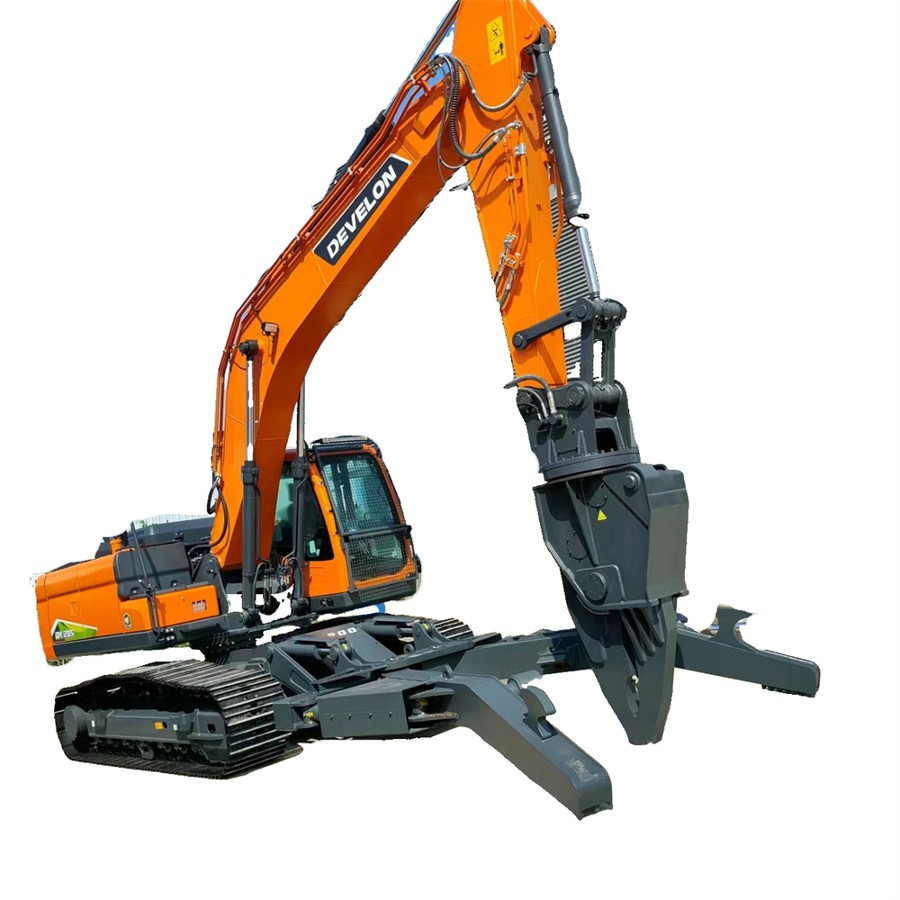
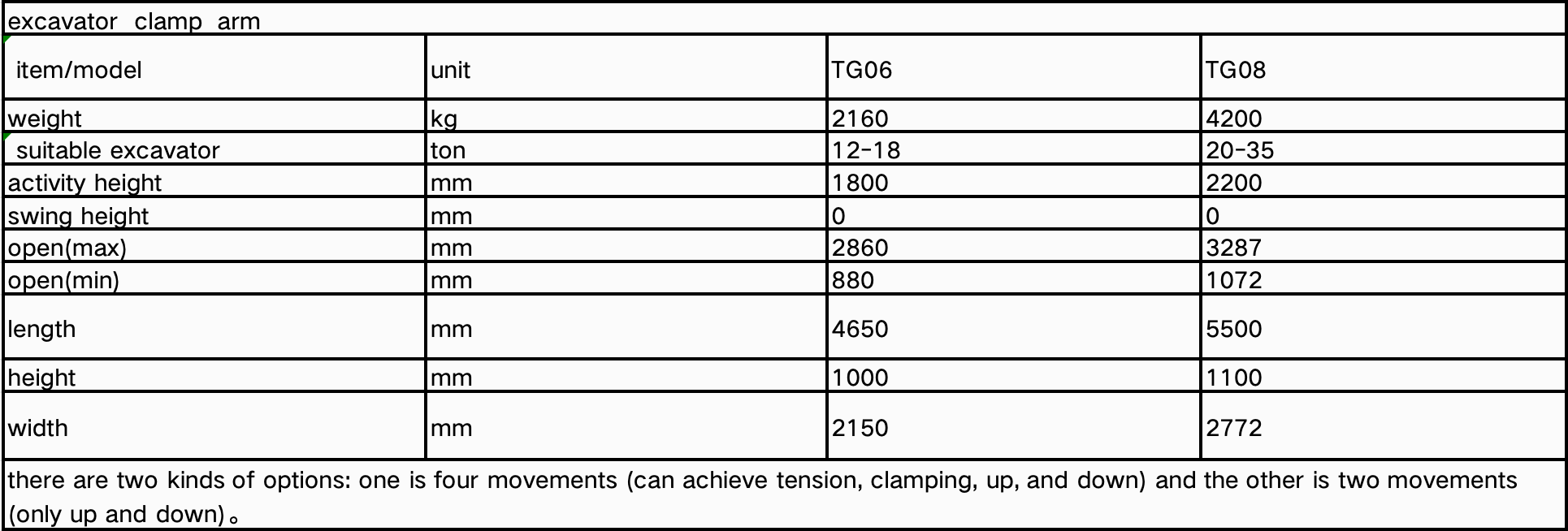
Hydraulic Press Arms: These are often attached to the excavator's main frame or boom. They are used to hold the car body in place during the dismantling process. The press arms are equipped with large - bore, high - pressure hydraulic cylinders that can apply significant downward or lateral force. For example, when dismantling a large SUV, the press arms can be extended and lowered to firmly hold the vehicle's body, preventing it from moving or shifting during cutting operations.
Stabilizing Pads: At the end of the press arms or as separate components, stabilizing pads are used. These pads increase the contact area with the car body, distributing the pressure evenly and preventing damage to the vehicle's surface. They are usually made of a durable, non - slip material such as rubber - coated steel. The stabilizing pads also help to improve the overall stability of the dismantling process, reducing the risk of accidents.
The working principle of Excavator Hydraulic Car Dismantling Equipment is based on the conversion and application of hydraulic energy.
The excavator's hydraulic system serves as the power source for the dismantling equipment. The hydraulic pump in the excavator draws hydraulic fluid from the reservoir and pressurizes it. This high - pressure fluid is then directed through a series of hoses and valves to the hydraulic components of the car - dismantling equipment.
Shearing Action: When the operator activates the hydraulic shear unit, the high - pressure hydraulic fluid enters the hydraulic cylinders. The pressure of the fluid causes the piston inside the cylinder to move, which in turn drives the blades of the shear. As the blades close, they generate a powerful cutting force that can sever metal components. For example, when cutting through a car's steel frame, the hydraulic shear can exert a force of up to several hundred tons, depending on the size and capacity of the equipment.
Pressing and Rotation: Similarly, for the hydraulic press arms, the high - pressure fluid is directed to their respective cylinders, causing the arms to extend or retract and apply pressure to the car body. The rotation mechanism of the shear unit is also actuated by hydraulic fluid. The hydraulic motor, when supplied with pressurized fluid, rotates the shear unit around its axis, allowing for flexible positioning.
Standard - Duty Car Dismantling Shears: These are suitable for dismantling small - to - medium - sized cars. They are typically mounted on excavators with a weight range of 10 - 20 tons. The standard - duty shears have a moderate cutting capacity, with blades that can handle metal thicknesses of up to 10 - 15 mm. They are often used in small - scale auto recycling yards.
Heavy - Duty Car Dismantling Shears: Designed for larger vehicles such as trucks, buses, and SUVs, heavy - duty shears are mounted on excavators weighing 20 tons or more. These shears have larger - diameter hydraulic cylinders and stronger blades, capable of cutting through metal parts up to 20 - 30 mm thick. They are essential for large - scale auto recycling facilities that handle a high volume of heavy vehicles.
Multi - Function Car Dismantling Equipment: Some advanced models combine shearing, gripping, and crushing functions. In addition to the standard shear unit, they may have additional attachments such as grappling hooks or crushing jaws. These multi - function units can perform a wider range of tasks, such as removing engines, separating components, and crushing small parts, making the dismantling process more efficient.
Automotive Recycling: The primary application of this equipment is in the automotive recycling industry. End - of - life vehicles are dismantled to recover valuable materials such as steel, aluminum, copper, and precious metals. The hydraulic car - dismantling equipment can quickly and efficiently separate different components, increasing the recycling rate. For example, it can easily remove the engine block, transmission, and other metal components, which can then be sent for re - smelting or refurbishment.
Salvage Operations: In salvage yards, where damaged or wrecked vehicles are stored, the hydraulic car - dismantling equipment can be used to quickly assess and dismantle vehicles. It can remove parts that are still in good condition for reuse, while also breaking down the damaged parts for disposal or recycling. This helps salvage yards to make the most of the resources they have and reduce waste.
Disaster Recovery and Rescue: In the aftermath of accidents or disasters involving vehicles, such as multi - vehicle collisions or plane crashes, the hydraulic car - dismantling equipment can be used to safely and quickly remove debris and extricate victims. The equipment's ability to cut through metal and move heavy components makes it an invaluable tool in such emergency situations.
Compared to manual dismantling methods, Excavator Hydraulic Car Dismantling Equipment can significantly increase the speed of the dismantling process. A skilled operator using this equipment can dismantle a car in a fraction of the time it would take to do so manually. For example, while it might take a team of workers several hours to manually dismantle a car, an operator using a hydraulic car - dismantling shear can complete the task in less than an hour, depending on the size and complexity of the vehicle.
The hydraulic control system allows for precise control of the cutting and gripping actions. Operators can accurately position the shear blades to cut specific components without damaging adjacent parts. This is particularly important when trying to salvage valuable or reusable parts from a vehicle. In contrast, manual methods may result in more accidental damage to the vehicle's components.
Using this equipment reduces the physical labor required for car dismantling. Workers no longer need to manually use heavy - duty cutting tools or pry apart components. Instead, they can operate the equipment from the safety and comfort of the excavator's cab. This not only reduces the risk of worker injury but also makes the job more sustainable in the long run, as it does not rely as heavily on physically demanding labor.
The equipment is designed with safety features to protect the operator and other workers in the vicinity. The excavator's cab provides a protective enclosure for the operator, shielding them from flying debris during the dismantling process. Additionally, the hydraulic systems are equipped with safety valves and emergency stop mechanisms to prevent accidents in case of system malfunctions. In comparison, manual dismantling methods expose workers to greater risks, such as cuts, bruises, and injuries from heavy objects.
×
(1) The knife body is made of height NM 400, long-wear-resistant, and other structural parts are made of Q345B manganese plate,High strength and strong toughness.
(2) Special material customized blade can be used alternately on all sides, high wear resistance and strong utilization rate greatly reduce the replacement cost of vulnerable parts.
(3) Reasonable closed structure design reinforced cylinder greatly improve the shear tear force to avoid collision cylinder damage oil leakage.
(4) Advanced integrated circuit control system makes operators easier to operate with sensitive action,which improves the efficiency of disassembly.
(5) The large displacement rotary device with closed-loop design has high torque and high stability, which makes the whole machine has superior service life and low safe and efficient late maintenance cos.