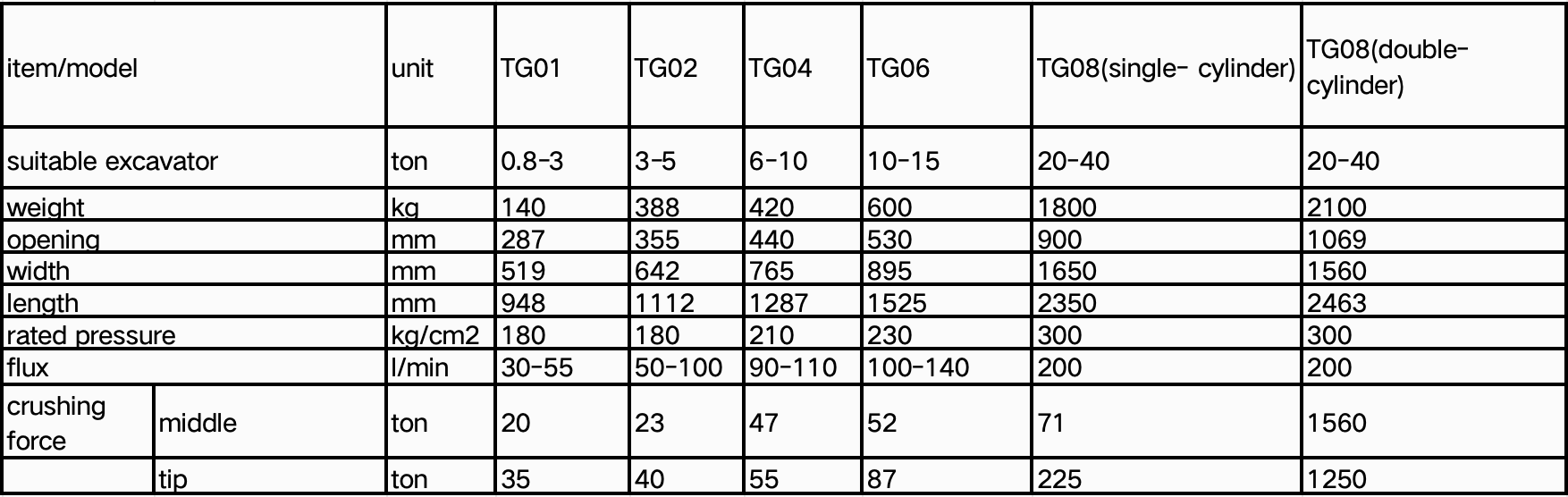


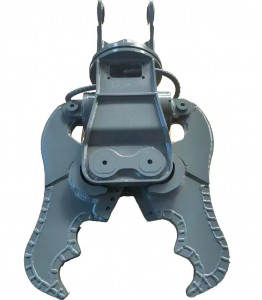
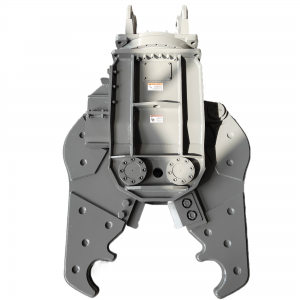


Excavator Hydraulic Dismantling Plier
The Excavator Hydraulic Dismantling Plier is a specialized hydraulic attachment engineered to enhance the dismantling capabilities of excavators. Unlike standard excavator buckets, it is designed for high-torque, precision-based tasks such as cutting, crushing, and gripping rigid materials—making it a core tool in industries like construction demolition, scrap metal processing, and end-of-life vehicle (ELV) recycling. By leveraging the excavator’s existing hydraulic system, it delivers controlled force to break down large structures or components, replacing labor-intensive manual methods and improving both efficiency and safety.1. Definition and Core Function
The Excavator Hydraulic Dismantling Plier is a high-performance hydraulic attachment customized for excavators. It differs from conventional excavator accessories like buckets, focusing on high-torque and precision-driven operations such as cutting, crushing, and gripping hard materials. Its core function is to break down large, rigid structures or components efficiently, serving as a pivotal tool in construction demolition, scrap metal recycling, and end-of-life vehicle (ELV) dismantling industries. By tapping into the excavator's inherent hydraulic system, it delivers controllable, powerful force, replacing labor-heavy manual work and significantly boosting operational efficiency and safety.
2. In-Depth Analysis of Structural Components
2.1 Plier Body: The Foundation of Stability and Durability
Material Selection for Longevity: The main plier body is crafted from high-strength low-alloy (HSLA) steel, with common grades including Q690 and S690QL. These steels boast a minimum tensile strength of 690 MPa and excellent impact resistance, which is vital for enduring the repeated stress caused by dismantling concrete, steel beams, and vehicle frames. In areas prone to wear, such as jaw hinges, wear-resistant steel plates (AR400/AR500) are welded on. This addition can extend the service life of the plier body by 30%-50% compared to bodies without such reinforcement, as AR400/AR500 steel has exceptional abrasion resistance.
Mechanical Design for Optimal Performance: Adopting a box-type welded structure, the plier body minimizes flexing during operation. Key stress points, especially the connection to the excavator arm, are reinforced with gussets or thickened steel plates. For example, the connection area may use steel plates with a thickness increased by 20%-30% compared to other parts. The overall weight of the plier body is carefully balanced—lighter than heavy-duty shears (which often weigh over 1000 kg) but sturdier than general-purpose grapples. This design ensures compatibility with mid-sized excavators (10–25 tons) while maintaining good maneuverability, allowing the excavator to move flexibly even in narrow construction sites.
2.2 Hydraulic Actuation System: The Power Source
Dual Hydraulic Cylinders: Driving Jaw Movement : Most models are equipped with two parallel hydraulic cylinders. The bore diameter of these cylinders ranges from 80 mm to 150 mm, and the stroke varies between 200 mm and 400 mm. The piston rods of the cylinders are chrome-plated, which not only enhances corrosion resistance but also reduces wear. Operating at a working pressure of 25–35 MPa, these cylinders generate a clamping force of 50–200 kN, depending on the plier size. A practical example: a 15-ton excavator-mounted plier with 120 kN clamping force can effortlessly cut through 20 mm-thick carbon steel plates, a task that would take hours with manual tools.
Control Valves: Ensuring Safety and Precision: Integrated check valves prevent accidental jaw movement caused by hydraulic pressure drops. For instance, if there is a sudden leak in the hydraulic system, the check valve locks the hydraulic oil in the cylinder, keeping the jaws in place and avoiding potential hazards. Pressure relief valves protect the cylinders from overloading—when the pressure exceeds the safe limit (usually 35–40 MPa), the valve opens to release excess pressure, preventing cylinder damage. Advanced models feature proportional control valves, enabling operators to adjust the jaw closing speed. When salvaging reusable ELV parts like aluminum engine components, operators can slow the closing speed to 5–10 mm/s, minimizing the risk of damaging the parts, compared to the normal speed of 15–20 mm/s for crushing tasks.
2.3 Jaw Mechanism: Tailored for Diverse Tasks
Jaw Profiles for Specific Needs:
Cutting Jaws: Designed with sharp, replaceable steel teeth. For handling extremely hard materials like high-strength steel, the teeth are tipped with tungsten carbide. Arranged in a staggered pattern, these teeth can easily penetrate and shear materials. They are ideal for cutting steel bars (with diameters up to 30 mm), vehicle chassis, and concrete reinforcement (rebar). The replaceable design means when teeth wear down after 500–800 hours of use, they can be replaced individually, reducing maintenance costs compared to replacing the entire jaw.
Crushing Jaws: Have flat faces with serrated edges. The serrations increase the friction between the jaws and the material, preventing slippage when gripping irregularly shaped objects such as concrete blocks and brickwork. The flat face ensures even pressure distribution during crushing, breaking down concrete blocks into small pieces (usually 100–200 mm in size) suitable for subsequent transportation and recycling.
360° Rotation: Enhancing Flexibility: High-end models come with a 360° hydraulic swivel (rotary joint) between the plier body and the excavator arm. This swivel uses a sealed planetary gear system driven by a small hydraulic motor (power ranging from 1.5 kW to 3 kW). The sealed design prevents dust, debris, and moisture from entering the gear system, reducing maintenance frequency by 40%-50%. The 360° rotation allows the jaws to reach tight spaces, such as the interior of buildings or under vehicle frames, eliminating the need to reposition the entire excavator repeatedly and saving 20%-30% of operation time.
2.4 Mounting Interface: Ensuring Compatibility and Efficiency
Quick-Coupler Compatibility for Rapid Tool Changes: The plier is designed to fit standard excavator quick couplers, including ISO 13031 and custom OEM designs. This compatibility enables tool changes in just 5–10 minutes, a significant improvement compared to traditional pin-mounted attachments that take 30–60 minutes to replace. The mounting plate is equipped with precision-drilled holes (diameter: 30–50 mm) for pins, ensuring a tight and secure connection. Wear-resistant bushings are installed at the pin joints, reducing friction and extending the service life of the mounting plate by 2–3 years.
Hydraulic Connection: Safe and Reliable Oil Transmission: High-pressure hydraulic hoses (DN16–DN25) are used for oil transmission, paired with quick-disconnect couplings (ISO 7241-1 A-series). These hoses have a working pressure rating of 40 MPa, exceeding the maximum operating pressure of the plier's hydraulic system, providing a safety margin. The hoses are covered with abrasion-resistant sleeves, which can withstand scratches and impacts from debris on the construction site. Tests show that hoses with sleeves have a service life 2–3 times longer than those without.
3. Working Principle: How Force Is Generated and Applied
3.1 Hydraulic Power Transmission: From Excavator to Plier
The excavator's hydraulic pump is the starting point of power. It draws hydraulic oil from the oil tank and pressurizes it. The high-pressure oil is then delivered to the plier's hydraulic cylinders through dedicated hoses. When the operator moves the control lever in the excavator cab, the hydraulic valve redirects the oil flow. When oil enters the rodless cavity of the cylinders, it pushes the pistons outward, causing the jaws to open. When the oil flow is reversed to the rod cavity, the pistons retract, and the jaws close with controlled force. The excavator's hydraulic system adjusts the oil flow rate (15–40 L/min) to control the jaw movement speed. A lower flow rate (15–25 L/min) is used for precise cutting tasks, while a higher flow rate (25–40 L/min) is suitable for bulk crushing operations.
3.2 Step-by-Step Dismantling Process
Positioning: Accurate Alignment for Efficiency: The operator maneuvers the excavator, using the excavator's arm and bucket cylinder to adjust the position of the plier. The goal is to align the open jaws around the target material, such as a steel beam or a vehicle door. This step requires the operator to have good spatial awareness—misalignment can lead to uneven force application, reducing work efficiency and potentially damaging the plier.
Gripping: Secure Hold Without Damage: Once aligned, the operator controls the jaws to close and grip the material. The pressure is adjusted via the control lever. For example, when gripping aluminum engine components in an ELV, the pressure is reduced to avoid deformation. The proportional control valve (in advanced models) plays a key role here, allowing for fine-tuning of the clamping force.
Cutting/Crushing: Targeted Force Application: For rigid materials like concrete, the jaws apply continuous pressure. The pressure gradually increases until the concrete fractures. For steel materials, the staggered teeth of the cutting jaws penetrate the steel surface and shear through it. The entire process is quick—cutting a 15 mm-thick steel plate takes only 2–3 seconds.
Material Handling: One-Stop Operation: After dismantling, the jaws can remain closed to grip the fragmented material. The operator then uses the excavator's arm to lift and transfer the material to a truck or a designated processing area. This eliminates the need for a separate grapple, saving the time and cost of changing attachments.
4. Classification by Application: Meeting Diverse Industry Needs
4.1 Demolition-Grade Dismantling Pliers: For Heavy-Duty Construction Demolition
Key Features for Tough Tasks: These pliers have heavy-duty jaws with reinforced cutting edges. The cutting edges are made of high-hardness steel (HRC 50–55) for enhanced wear resistance. The clamping force ranges from 150–200 kN, enabling them to handle large concrete structures. Some models include a "concrete cracker" function—by controlling the jaws to spread apart, they can split concrete pillars or walls from the inside, reducing the need for explosive demolition in some cases.
Practical Use Cases: They are widely used in demolishing low-rise buildings (3–5 stories), breaking down concrete pillars in old factories, and cutting steel scaffolding. Compatible with 20–25 ton excavators, they are suitable for large-scale construction demolition projects. A single demolition-grade plier can replace 5–8 manual workers, significantly reducing labor costs.
4.2 Scrap Metal Processing Pliers: Optimized for Recycling
Features for Efficient Scrap Handling: These pliers have a lightweight design, weighing 300–500 kg, making them compatible with smaller excavators (10–15 tons). The jaws are serrated to grip irregular scrap metal tightly. The clamping force is lower (50–100 kN) to avoid excessive deformation of recyclable metals. For example, when handling aluminum cans or copper pipes, the lower force ensures the metal retains its original shape as much as possible, improving the value of the recycled material.
Application Scenarios: In scrap metal recycling yards, they are used to sort and process scrap metal. They can separate steel from non-ferrous metals like aluminum and copper by gripping and moving the scrap. Additionally, they can cut large scrap metal pieces into smaller sizes (300–500 mm) that fit into melting furnaces, increasing the efficiency of the recycling process.
4.3 ELV-Specific Dismantling Pliers: Precision for Vehicle Recycling
Specialized Design for ELV Dismantling: The jaws of these pliers have rounded edges to prevent puncturing fuel tanks or hydraulic lines in vehicles. The variable force control system allows operators to adjust the force according to different vehicle components—lower force for plastic parts and higher force for steel chassis. Some models also have a "pulling" function, which uses the hydraulic cylinder's retraction force to remove bolts or hinges from vehicle bodies, avoiding damage to surrounding reusable parts.
Use in Vehicle Recycling: They are essential for dismantling end-of-life cars and trucks. Operators use them to remove doors, engines, and chassis components. When separating hazardous materials like batteries and asbestos-containing parts, the precision of the pliers ensures these materials are removed safely without causing leaks or contamination. This helps recycling facilities comply with environmental regulations and improve the recovery rate of valuable vehicle materials.
5. Practical Applications and Tangible Benefits
5.1 Construction Demolition: Boosting Efficiency and Safety
Efficiency Leap: Compared to manual methods using jackhammers and crowbars, hydraulic dismantling pliers reduce demolition time by 40–60%. For a 500 m² brick building, a team equipped with a hydraulic plier can complete the demolition in 1–2 days, while manual work would take 3–4 days. This time saving translates to lower project costs and faster project turnover.
Safety Enhancement: Operators can control the plier from the excavator cab, staying 5–10 meters away from falling debris. This distance significantly reduces the risk of injury from structural collapse or flying fragments. Statistics show that the use of hydraulic dismantling pliers reduces the injury rate in construction demolition by over 70% compared to manual operations.
5.2 Scrap Metal Recycling: Improving Quality and Reducing Costs
Higher Material Purity: The pliers enable precise separation of materials. For example, when processing concrete with steel rebar, the pliers can cut and remove the rebar from the concrete, resulting in clean steel rebar and concrete aggregates. Clean steel scrap has a market value 10–15% higher than contaminated scrap, increasing the revenue of recycling yards.
Cost Savings: By integrating cutting, gripping, and handling functions, the pliers eliminate the need for separate tools like oxy-acetylene torches. Oxy-acetylene torches require fuel (acetylene and oxygen) and skilled operators, with a daily operating cost of
100–
150. Using hydraulic pliers reduces these costs, as they only consume a small amount of hydraulic oil and can be operated by regular excavator operators.
5.3 ELV Recycling: Compliance and Resource Efficiency
Regulatory Compliance: Many countries and regions have strict regulations for ELV recycling, such as the EU ELV Directive, which requires the safe removal of hazardous materials before shredding. Hydraulic dismantling pliers allow for the safe removal of batteries, lead-acid components, and asbestos parts, ensuring recycling facilities meet these regulatory requirements and avoid fines.
Maximizing Resource Recovery: With precise dismantling, the pliers help recover 80–90% of vehicle materials (including steel, aluminum, and copper), compared to 60–70% with manual dismantling. For a single end-of-life car, this means an additional 50–100 kg of valuable metals can be recovered, contributing to a circular economy and reducing the need for virgin metal mining.
6. Operational Considerations: Ensuring Longevity and Safety
6.1 Excavator Compatibility: Avoiding Overloading
Before using the plier, it is crucial to check if the excavator's specifications match the plier's requirements. The plier's weight (300–800 kg) and hydraulic flow needs (15–40 L/min) must align with the excavator's lifting capacity and hydraulic system output. Overloading the excavator can cause damage to the arm, hydraulic pump, or even lead to accidents. For example, a 10-ton excavator should not use a plier weighing over 500 kg, as it may exceed the excavator's front-end lifting capacity.
6.2 Regular Maintenance: Extending Service Life
Routine Lubrication: Jaw hinges and swivel joints should be greased every 8 hours of operation. Using high-quality lithium-based grease reduces friction and prevents premature wear.
Hose Inspection: Hydraulic hoses should be inspected monthly for leaks, cracks, or bulges. Even small leaks can lead to hydraulic system pressure loss, reducing the plier's performance and wasting hydraulic oil.
Part Replacement: Worn teeth or piston seals should be replaced at 500–1000 operating hours. Delayed replacement can cause further damage to the plier—for example, worn teeth may lead to uneven force application, damaging the jaw structure.
6.3 Safety Protocols: Protecting Operators and Workers
PPE Requirements: Operators must wear personal protective equipment (PPE) including safety glasses, hearing protection, and steel-toed boots. Safety glasses prevent debris from entering the eyes, while hearing protection reduces the impact of the plier's operating noise (which can reach 85–95 dB).
Operator Training: Operators should receive specialized training on hydraulic system safety, including understanding the plier's control functions and emergency stop procedures. In case of hydraulic pressure failures, operators need to know how to activate the emergency stop to lock the jaws and prevent accidents. Additionally, training should cover proper material handling techniques to avoid tipping the excavator.